
About Neil
Neil – Writer, Director, Storyteller
I got into the BBC before there were any special schemes supporting disabled creatives. No programmes, no initiatives, no pathways. Just determination and a refusal to be told no.
One of the first things I did was persuade a production team to cast a wheelchair using child actor in one of their programmes. It had never been done before. I just thought it was right. That instinct has never left me.
Early in my career I worked on Square One TV, a co-production between the BBC and the Children’s Television Workshop in New York. The CTW writers taught me something I have never forgotten: if you can make the punchline or the dramatic climax of the scene land at exactly the same moment as the point you want to make, the audience carries it with them long after the screen goes dark.
I have been doing that ever since. The stories get bigger and the characters more complicated, but the intention is the same. Draw people in. Make them laugh, make them feel, make them care. And then, quietly, shift the way they see the world.
Some of my characters happen to be disabled. Like all my characters, they can be funny or flawed, smart or lost, sexually active, complicated, carrying trauma or hiding it. Their disability affects who they are and how the world sees them. It is never the point. It is just the truth.
Because disabled people are essentially people like everybody else, who just happen to have a body or mind that works a little differently. Television has been slow to say that plainly. That is what I am here for.
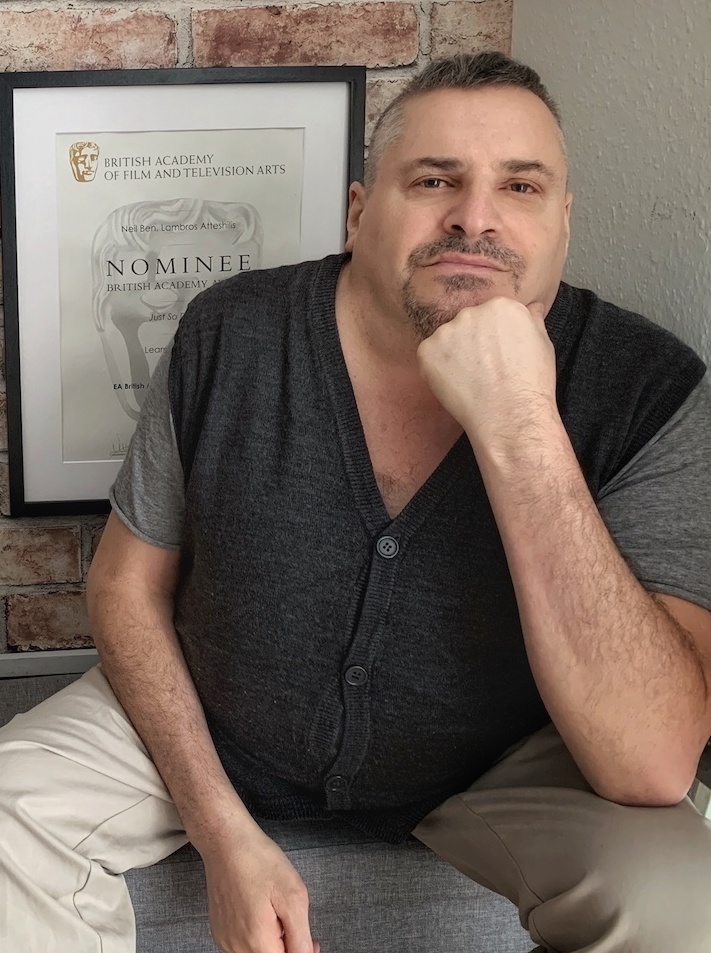
A Little History
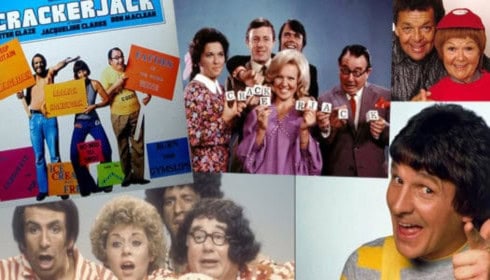
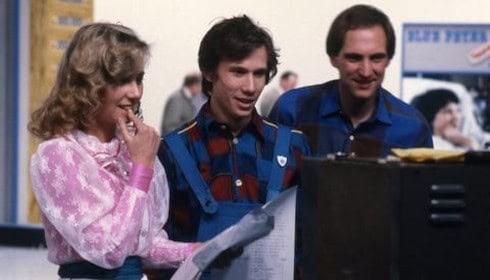
Every picture tells a story. Hover to see the journey up to 2011. BAFTA nomination. Nearly twenty years in television. A career at its peak.
And then I walked away from the industry I loved to raise my kids, who I loved even more, on my own.
Best decision I ever made. Hardest thing I ever did.
A Little History
Hover over the images to view the story
The Neil Ben Films years
In 2011 the director’s chair got folded away and a different chapter began.
With two children to raise and bills to pay, Neil borrowed a camera and shot a short promotional film for a friend. Someone else saw it and wanted one. Then someone else. Within months a production company was born, built around a simple reality: shoot in the day, edit at night, be there for the kids in between.
Over the following years Neil wrote and directed training films, charity videos and business content. He created one of the first film academies teaching business owners to shoot their own content on mobile phones, years before anyone else was doing it, winning a Federation of Small Businesses Award for innovation from a production company that did not own a single camera. He kept his broadcast contacts warm, produced animation for Amazon, and never stopped writing.
The work was lean. The hours were long. The kids were fine.
Neil is Back
By 2021 the kids were fifteen and seventeen and finding their own feet. Neil started looking for a way back in.
He joined Directors UK’s disability steering panel, reconnected with the industry through the Deaf and Disabled People Working in Television community, and started making calls. Channel 4 asked him to write a sketch for their online comedy platform featuring disabled storylines, disabled jokes and disabled artists. That led to several comedy shorts, one of which reached six million views.
Then he got onto the Directors UK Inspire Programme, mentored by Ed Bye, one of Britain’s most respected comedy directors.
It was the moment that changed everything.
Ed read Neil’s comedy writing and told him plainly: you understand comedy. I want to mentor you. He championed Neil into rooms, brought him on as second unit director on Murder They Hope, and gave him the confidence to develop the script that would get him selected for the BBC Writers’ Access Group 2023 to 2025.
The focus was clear. Not children’s television. Not education. Adult drama. Adult comedy drama. Bigger stories for bigger audiences, told with everything the previous thirty years had taught him.
The slate he is developing now is the result.
Now
Although the majority of Neil’s career was in directing, he wrote across many of the projects he worked on. When the opportunity came to direct the gallery for Channel 4’s coverage of the Paris Paralympics, he took it. The right job to go out on. After that, he folded up the director’s chair for the second time. But this time by choice, and with complete clarity about why.
Being selected for the BBC Writers’ Access Group was the turning point. Neil thought he knew how to write. Eighteen months of intensive training with professional BBC script editors taught him that he was good, but that there was so much more he could do. He came out the other side a different writer.
The focus now is the stories. Six projects in development, each one built around the philosophy that has driven everything from that first wheelchair using child actor to the comedy shorts getting six million views on Channel 4. Draw the audience in. Make them feel something. Then quietly shift the way they see the world.
The director’s chair is not gone. It is just that Neil’s thirty years behind it are now most valuable in the room where the stories are made, sitting alongside a younger, fitter, more enthusiastic director, nudging, encouraging, and making sure the story stays true.
He also still sneaks onto the open mic stand up circuit when nobody is looking.